
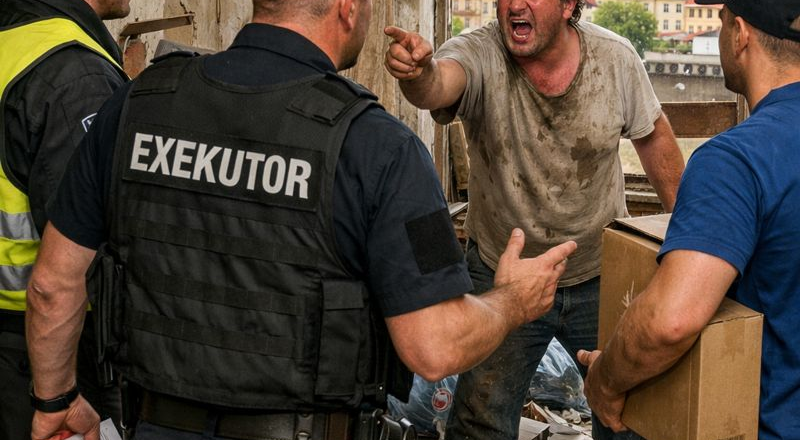
Are you an expat owning property in Czechia? Dealing with a tenant who doesn’t pay rent but refuses to vacate? Historically, the eviction process in the Czech Republic has been notoriously slow, often taking years. However, a major legal reform starting in 2026 is about to change the game for landlords.
The introduction of the “Fast-Track Eviction Order” (Rozkaz k vyklizení) aims to bring Czechia closer to Western standards of property rights protection.

The End of Multi-Year Lawsuits
Until now, landlords had to file a standard eviction lawsuit, which involved numerous court hearings and a long wait for a final judgment. Meanwhile, debt accumulated, and the property remained occupied.
The 2026 Change: Inspired by the simplified procedure for monetary claims, the new law introduces a streamlined process. If a lease has clearly ended and the tenant remains, the court can issue an eviction order without a lengthy trial.
How the Fast-Track Process Works:
- The Application: You provide evidence that the lease has legally expired (e.g., notice period ended or breach of contract).
- The Order: The court reviews the documents and issues an Eviction Order without a public hearing.
- The 15-Day Window: The tenant has 15 days to either vacate the property or file a justified appeal.
- Immediate Enforcement: If no valid appeal is filed, the order becomes an “enforcement title,” allowing a court bailiff (exekutor) to remove the tenant immediately.
Why This Matters for International Investors:
For expats investing in Czech real estate, this reduces the “tenant risk” significantly. It ensures shorter vacancy periods, lower legal fees, and a powerful deterrent against “professional” squatters.
MACH LEGAL specializes in protecting landlord rights. We help you draft bulletproof lease agreements and handle the entire eviction process on your behalf.